
Hungry Hub Review – Thailand’s All‑In‑One Dining & Reservation Platform
Disclosure: this page contains affiliate links. We may earn a commission if you buy through them, at no extra cost to you.

Introduction
Whether you’re a frequent foodie, a corporate planner, or a traveler hunting the perfect stay‑and‑dine experience, navigating Thailand’s vibrant culinary scene can feel like trying to read a menu written in a language you don’t speak. The sheer variety of cuisines, the range of dining atmospheres—from sleek rooftop lounges to tranquil riverside terraces—and the proliferation of special promotions can quickly overwhelm even the most seasoned diner. This post is designed to cut through the noise and give you a thorough, practical look at Hungry Hub. We’ll walk through the platform’s core capabilities, explain how it fits into the broader ecosystem of dining services, and provide concrete examples so you can decide whether it aligns with your personal or professional dining goals.
Our review is aimed at three main audiences. First, the “food‑adventurer” who enjoys exploring new flavors and wants a reliable way to discover curated deals without spending hours scrolling through scattered social‑media posts. Second, the “business organizer” who needs a streamlined process for booking group meals, corporate events, or client entertainment while keeping costs transparent. Third, the “travel‑savvy guest” who looks for seamless combinations of accommodation and dining, especially when a single reservation can secure both a hotel stay and a table at a top‑rated restaurant. By the end of this guide, each of these reader types should have a clear sense of how Hungry Hub can simplify their planning, enhance their experiences, and possibly earn them a few extra perks along the way.
Quick Comparison at a Glance
| Feature | Hungry Hub | Typical Competitor |
|---|---|---|
| Restaurant coverage | Over 1,500 outlets, 2,000+ gift‑card partners | Varies, often fewer exclusive deals |
| Dining deal types | Buffet, set‑menu, all‑you‑can‑eat, rooftop, riverside | Usually limited to discount vouchers |
| Corporate solutions | Tiered pricing, group‑size based packages | Often a flat‑rate or per‑seat model |
| Loyalty program | Platinum tier, VIF status, accelerated perks | Basic point‑earning or none |
| Staycation bundles | Hotel‑restaurant combos like Chatrium River | Rarely integrated |
Why Hungry Hub Stands Out
Founded in Thailand in 2014, Hungry Hub has evolved from a straightforward reservation tool into a full‑service dining ecosystem that addresses the needs of individual diners, corporate teams, and leisure travelers alike. Below we unpack the five pillars that set it apart from generic food‑delivery apps, basic booking sites, or simple voucher aggregators. Each pillar is illustrated with practical use cases and tips that help you extract maximum value from the platform.
1. Massive Partner Network
One of the most compelling reasons to choose Hungry Hub is its sheer scale of partnership. The platform lists more than 1,500 restaurant outlets across a broad spectrum of categories—casual dining, buffet, grill/BBQ, and premium fine‑dining. This breadth means that whether you’re craving a quick Thai noodle bowl, a meticulously crafted Japanese sashimi platter, an indulgent Italian pasta, a fiery Mexican taco, or a Brazilian churrasco, you’ll likely find a partner venue within the network.
Beyond the restaurant count, Hungry Hub’s gift‑card program expands flexibility even further. A single gift card can be redeemed at over 2,000 restaurants nationwide, allowing the cardholder to shift plans on the fly. For example, a business that purchases a batch of gift cards for employee rewards can rest easy knowing each recipient can choose from a wide variety of cuisines and locations without being locked into a single venue.
2. Curated Dining Experiences
While many platforms simply list tables, Hungry Hub actively curates experiences that go beyond the ordinary reservation. In Bangkok alone, the site highlights more than 90 special dining deals, each carefully vetted for quality and uniqueness. These deals span a range of atmospheres: rooftop venues that offer panoramic city views, riverside terraces that capture the gentle flow of the Chao Phraya, and exclusive buffets that feature premium ingredients and elaborate presentations.
A notable illustration is the “Copper Beyond Buffet,” a promotion that is only accessible through Hungry Hub. The buffet combines a luxurious setting with an extensive menu that includes live cooking stations, premium seafood, and dessert bars. By packaging such exclusive experiences, the platform gives diners a reason to return regularly, knowing that fresh, limited‑time offers are continually added to the lineup.
3. Integrated Staycation Packages
Travelers often grapple with the logistical headache of booking a hotel and then separately hunting for dining options. Hungry Hub simplifies this by bundling staycation packages that pair accommodation with dining credits. A prime example is the staycation at Chatrium Hotel Riverside Bangkok, where a nightly stay is coupled with a voucher for a partner restaurant’s dining credit. This arrangement benefits both the traveler—who enjoys a seamless experience and potential cost savings—and the hotel, which gains a captive audience for its food‑and‑beverage outlets.
For families on vacation, the package can be a game‑changer. Imagine arriving at the hotel, settling into a well‑appointed room, and then heading straight to a riverside restaurant for a family dinner without the need to negotiate separate reservations or worry about availability. The integrated nature of the offering also means that any changes (e.g., extending the stay) can often be managed within a single user interface, reducing the risk of double‑booking or miscommunication.
4. Corporate Dining Solutions
Corporate clients have distinct requirements: they need transparent pricing, the ability to handle large groups, and often a streamlined approval workflow. Hungry Hub addresses these needs with tiered pricing that scales based on group size. For a small team lunch of eight, the platform might suggest a set‑menu package with a modest per‑person rate; for a larger client entertainment event of thirty‑plus guests, the tiered model automatically adjusts, offering bulk pricing without the need for manual negotiation.
In practice, a corporate event planner can log into the platform, select the desired restaurant (for instance, a venue inside the Royal Orchid Sheraton Riverside Hotel), specify the number of attendees, and instantly view the applicable tiered price. The system then generates a consolidated invoice that can be approved by finance, eliminating the back‑and‑forth email chains that typically plague large‑scale catering orders. Additionally, the ability to purchase vouchers for employees means that corporate gifts can be personalized—an employee can choose a dinner at a Japanese sushi bar or an Italian trattoria, all within the same corporate account.
5. Loyalty & Recognition
Loyalty programs are a common feature across many consumer platforms, but Hungry Hub distinguishes itself with a two‑layer approach: the Platinum tier and the “Very Important Foodie” (VIF) status. The Platinum tier accelerates perk unlocking, meaning that frequent diners can reach higher benefit levels more quickly than on a standard point‑accumulation scheme. Benefits might include early access to limited‑time promotions, complimentary upgrades at partner hotels, or exclusive seating preferences at high‑demand restaurants.
The VIF status serves as a badge of recognition for the platform’s most engaged users. While the exact criteria are not publicly disclosed, the status generally reflects a history of consistent bookings, participation in special deals, and perhaps the use of corporate vouchers. VIF members often receive priority notifications about new Michelin‑guide recognized restaurants or upcoming rooftop events, giving them a first‑mover advantage that can be especially valuable during peak dining seasons.
6. Diverse Cuisine Portfolio
Thailand’s food scene is a tapestry of flavors, and Hungry Hub mirrors that diversity. The platform’s catalogue includes Thai, Japanese, Italian, Mexican, and Brazilian cuisines, among others. For diners who enjoy a “food tour” approach, the site makes it easy to plan a multi‑cuisine day: start with a traditional Thai brunch, move to a Japanese sushi lunch, enjoy an Italian dinner, and finish with a Brazilian dessert cocktail. Each course can be booked through the same interface, ensuring that timing, location, and reservation confirmations are centrally managed.
This variety also benefits expats and long‑term travelers who may crave familiar tastes from home. By offering a range of international options, Hungry Hub reduces the need to search multiple niche apps or rely on word‑of‑mouth recommendations, streamlining the decision‑making process.
7. Flexible Gift‑Card and Voucher System
The platform’s “Buy Gift Card” feature serves both personal and corporate purposes. Individuals can purchase a card as a birthday present, a wedding gift, or simply a treat for a friend who loves dining out. Corporations can buy bulk vouchers for employee incentives, client thank‑you gifts, or recruitment bonuses. Because the cards are accepted at a wide network of over 2,000 venues, recipients enjoy genuine choice rather than a restrictive, single‑restaurant voucher.
When using a gift card, the checkout flow clearly shows the remaining balance after each transaction, allowing users to track usage in real time. This transparency helps prevent the common frustration of “partial” voucher redemption, where a customer is left with a small, unusable remainder. Additionally, the platform sometimes pairs vouchers with exclusive promotions—such as a complimentary appetizer at a Michelin‑guide restaurant—adding extra value to the purchase.
8. Special Promotions and Exclusive Buffets
Beyond the regular dining deals, Hungry Hub regularly launches limited‑time promotions that are only available to its members. The “Copper Beyond Buffet,” for example, is a premium all‑you‑can‑eat experience that includes live cooking stations, high‑end seafood, and a dessert showcase. Because the promotion is exclusive to the platform, diners who regularly check Hungry Hub’s deals page are more likely to discover such hidden gems before they sell out.
These promotions often come with clear, fixed‑price packages that eliminate hidden costs. Users know exactly what they are paying for—no surprise service charges or mandatory add‑ons. This pricing clarity is particularly valuable for group bookings, where each participant can see the cost breakdown upfront, making budgeting straightforward.
Pros and Cons
- Pros
- Extensive restaurant and hotel network across Thailand.
- Transparent, fixed‑price dining packages with no hidden fees.
- Specialized corporate dining options with tiered pricing.
- Loyalty program that rewards frequent diners quickly.
- Gift‑card flexibility for personal or corporate gifting.
- Cons
- Some niche restaurants may not be listed; coverage varies by region.
- Promotions and deal availability can change frequently; users must check the site for current offers.
- While the platform offers a wide range of cuisines, certain ultra‑exclusive Michelin‑guide venues might require direct booking.
Who It’s For and Who Might Skip It
Ideal for:
- Urban food lovers who enjoy trying new concepts—rooftop, riverside, buffet, and themed set menus.
- Corporate planners needing scalable group‑dining solutions.
- Travelers looking for bundled stay‑and‑dine packages.
- Gift‑givers who want a flexible dining voucher usable at thousands of locations.
May not suit:
- Those seeking only ultra‑budget street food—Hungry Hub focuses on curated experiences, which can be mid‑range to premium.
- Users who prefer a single‑purpose delivery app without reservation features.
Buying Checklist – What to Verify Before You Commit
- Confirm that the desired restaurant or hotel is currently listed on Hungry Hub.
- Check the specific dining deal details—duration, included courses, any dress‑code notes.
- If booking for a group, verify the tiered corporate pricing structure matches your headcount.
- Review the gift‑card terms—expiry, eligible venues, and any usage restrictions.
- Look for any special promotions like the Copper Beyond Buffet that might require advance reservation.
How to Get the Most Out of Hungry Hub – Step‑by‑Step Tips
Step 1 – Create an Account
Sign up with an email or social login. The account stores your dining history, loyalty points, and VIF status.
Step 2 – Explore the Deal Hub
Navigate to the “Special Dining Deals” section. Filter by city, cuisine (Thai, Japanese, Italian, Mexican, Brazilian), or experience type (rooftop, riverside, buffet).
Step 3 – Reserve or Purchase
For a reservation, select the date, time, and party size. For a fixed‑price package, add it to the cart and complete checkout. Corporate users can select a tier based on group size before confirming.
Step 4 – Leverage Loyalty
Each booking adds points toward Platinum tier. Keep an eye on VIF status notifications for early‑access invites.
Step 5 – Use Gift Cards
Buy a gift card from the “Buy Gift Card” page. The recipient can redeem it at any of the 2,000+ partner venues via the app or website.
Frequently Asked Questions
1. How do I know if a restaurant is Michelin‑guide recognized?
Hungry Hub makes it simple to spot Michelin‑guide recognized venues. When you browse the restaurant directory, any establishment that has earned a place in the guide carries a distinctive badge right beside its name. This badge is consistent across the website, the mobile apps, and the printable vouchers, so you can quickly differentiate a Michelin‑guide restaurant from other listings without having to cross‑reference external sources. In addition, the restaurant’s profile page often includes a brief note about the guide’s rating year and the specific accolade (for example, one star, two stars, or the coveted “Bib Gourmand”). If you are unsure, you can also use the filter option on the search page to show only Michelin‑guide partners, which narrows the results to the curated selection that Hungry Hub highlights.
2. Can I combine a staycation package with a dining deal?
Yes, and the process is designed to be as seamless as possible. Hungry Hub’s staycation bundles are structured around two core components: accommodation and a dining credit. When you select a staycation package—such as the one offered at Chatrium Hotel Riverside Bangkok—you receive a prepaid credit that can be applied toward any of the partner restaurants that accept Hungry Hub vouchers. This credit is typically listed in the package description with the amount or number of meals it covers, and it is automatically loaded onto your account once the staycation is booked. When you later make a reservation at a participating restaurant, you simply choose the “Use Dining Credit” option at checkout, and the system deducts the appropriate amount from your staycation balance. The credit does not expire until the end of the staycation’s validity period, which is clearly stated in the terms of the bundle. This integration allows you to enjoy a relaxing night in a riverside hotel and then head to a rooftop venue for dinner without juggling separate vouchers or cash payments.
3. What happens if my reservation is cancelled by the venue?
When a venue cancels a confirmed reservation, Hungry Hub immediately steps in to protect the diner’s experience. The platform triggers an automated notification that is sent to both your registered email address and the push notification channel on the app. The message includes the reason for cancellation (if provided by the venue) and offers two clear choices: you can either reschedule the booking for a later date that fits your calendar, or you can request a full refund of any booking fee that was charged. The rescheduling interface displays the venue’s next available time slots, making it easy to select a new slot with a single tap. If you opt for a refund, Hungry Hub processes it through the original payment method, and you will receive a confirmation email once the refund is completed. In rare cases where the venue does not respond within a reasonable timeframe, Hungry Hub’s customer support team reaches out directly to ensure you are not left without a resolution.
4. Are there any hidden fees for corporate bookings?
Hungry Hub’s corporate dining solutions are built around transparent, tier‑based pricing. Each tier corresponds to a specific group size range (for example, small groups of 5‑10, medium groups of 11‑20, and large groups of 21‑50), and the price per person is displayed up front when you request a quote. There are no surprise service charges hidden in the fine print. The only additional costs you might encounter are statutory taxes, which vary by location and are automatically calculated at checkout. These taxes are clearly itemized on the confirmation page, allowing you to see exactly how much you are paying. If your organization requires custom branding, special menu requests, or extended service hours, those elements are treated as optional add‑ons and will be quoted separately before you confirm the booking.
5. How does the VIF status work?
VIF, short for “Very Important Foodie,” is a tier within Hungry Hub’s loyalty ecosystem that rewards consistent diners. The status is earned based on two key metrics: cumulative spend across all bookings and the frequency of reservations within a calendar year. As you book more meals and reach higher spend thresholds, the platform automatically upgrades your profile to VIF. Once you achieve VIF, you gain priority access to limited‑time promotions, such as early‑bird reservations for high‑demand rooftop venues or exclusive invitations to tasting events hosted by Michelin‑guide restaurants. VIF members also receive a dedicated support line for faster assistance, and their loyalty points accrue at an accelerated rate, meaning you can redeem points for premium experiences more quickly. The dashboard in the app shows a progress bar that updates in real time, so you always know how close you are to the next reward tier.
6. Can I use the same gift card at multiple restaurants?
Absolutely. Hungry Hub’s gift cards are designed for flexibility. When you purchase a gift card—whether for personal gifting or corporate rewards—the balance is stored in a digital wallet linked to your account. This balance can be split across any of the more than 2,000 participating restaurants, from casual eateries to fine‑dining establishments. For example, you might use a portion of the card for a family brunch at a Thai street‑food stall, then apply the remaining amount toward a Japanese sushi omakase at a Michelin‑guide venue later in the week. The system deducts the exact amount spent on each reservation, and the remaining balance is always visible on your account page. If the balance ever drops below the minimum amount required for a particular deal, Hungry Hub will notify you and suggest either topping up the card or selecting a different deal that fits the remaining value.
7. Is there a mobile app?
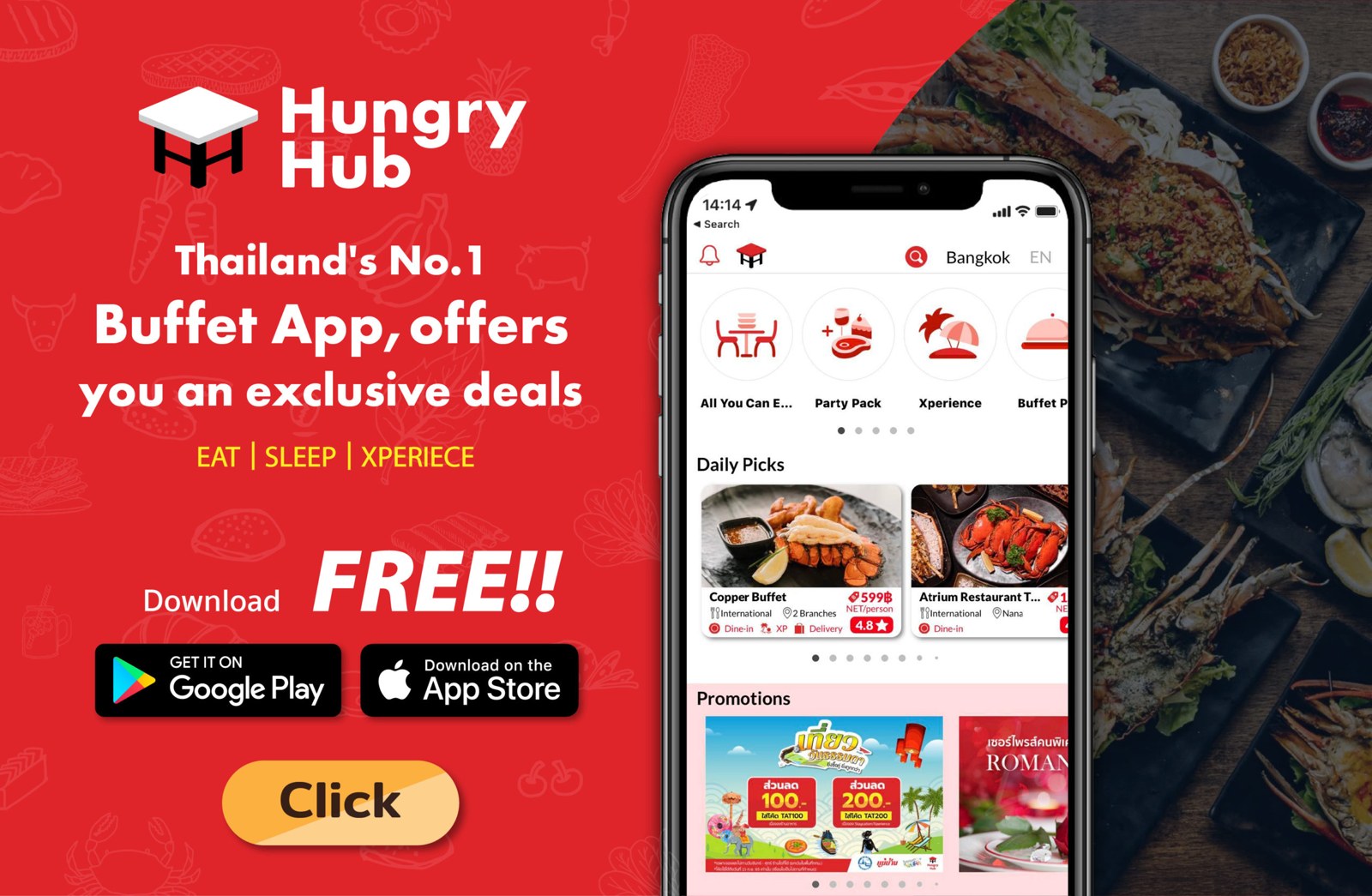
Yes, Hungry Hub offers dedicated mobile applications for both iOS and Android platforms. The apps mirror the full functionality of the website, allowing you to search for dining deals, filter by cuisine, location, or special attributes (such as rooftop or riverside), and complete reservations without needing a desktop. In addition to booking, the apps provide a real‑time loyalty dashboard where you can track earned points, monitor your VIF status, and view upcoming reservations. Push notifications keep you informed about expiring deals, new promotions, and any changes to existing bookings. The apps also support QR‑code scanning at participating venues, which speeds up the check‑in process and instantly registers your visit for loyalty credit. Because the apps are regularly updated, you benefit from the latest features, such as the “Buy Gift Card” quick‑order flow and the corporate booking portal.
8. Do the dining packages include drinks?
Package inclusions vary depending on the restaurant and the specific deal. Hungry Hub’s listings always indicate what is included in the fine print of each offer. Some buffet or all‑you‑can‑eat packages come with unlimited soft drinks, bottled water, and a selection of house wines or beers, while others focus solely on food and require you to order beverages separately. Premium set‑menu experiences at fine‑dining venues may include a complimentary glass of wine or a signature cocktail, but they will specify any limits (for example, “one drink per person”). When you open a deal’s detail page, you’ll see a bullet‑point list that outlines whether drinks are part of the package, any restrictions on premium alcoholic beverages, and whether you can upgrade the drink component for an additional charge. If the information is not immediately clear, you can always contact Hungry Hub’s support team through the app or website for clarification before you finalize the reservation.
Conclusion
Hungry Hub brings together the best of Thailand’s dining scene—extensive restaurant coverage, exclusive deals, corporate solutions, and staycation bundles—under one intuitive platform. If you value curated experiences, flexible gifting, and a loyalty program that actually rewards frequent diners, it’s worth exploring.
Ready to discover your next meal or book a memorable stay‑and‑dine getaway? Visit Hungry Hub today and start planning.