

Singapore’s fitness culture has never been more visible. Park connectors are busier before sunrise, boutique studios line the shophouses of Tiong Bahru and Tanjong Pagar, and the East Coast Park cycling path fills up every weekend with runners, cyclists, and calisthenics enthusiasts. With that growth in activity has come a growth in choice, and picking the right sportswear brand in 2026 is no longer as simple as grabbing whatever is on sale at the nearest mall. Singaporeans training in tropical heat and humidity need gear that actually performs, not just gear that looks good in an Instagram post at Gardens by the Bay.
This guide walks through the sportswear brands that matter most in Singapore right now, why they matter, and how to think about matching a brand to your specific training style, whether that’s long runs along the Marina Bay waterfront, HIIT sessions in an air-conditioned studio, or heavy lifting at a CrossFit box in Kallang.
Why Singapore’s Climate Changes Everything
Before naming names, it’s worth understanding what actually makes a piece of sportswear “good” in Singapore. The country sits almost on the equator, with average humidity hovering between 70 and 90 percent year-round and temperatures that rarely dip below 24°C even at night. This is a completely different environment from the one most global sportswear brands design for by default, and it means the usual criteria for judging activewear shift here.
Breathability becomes more important than warmth retention. Moisture-wicking fabric technology has to work overtime, since sweat doesn’t evaporate as quickly in high humidity as it does in drier climates. Quick-dry properties matter enormously too, since many people in Singapore train more than once a day or commute straight from a workout into an air-conditioned office. Odour control also becomes a genuine consideration rather than an afterthought, given how much more bacteria can build up in warm, damp conditions. Brands that have invested specifically in these areas tend to earn loyal followings here, while brands that simply ship their European or North American lineup unchanged often underperform for local buyers.
The Big Picture: Who’s Leading the Pack in 2026
The Singapore sportswear market in 2026 is shaped by a mix of global giants, performance specialists, and a growing wave of homegrown and regional labels that understand the tropical training environment intimately. Nike and Adidas remain the two most recognisable names on the island, with flagship stores at Orchard Road and ION Orchard drawing constant foot traffic. Alongside them, running specialists like ASICS and Brooks have built strong reputations among the city’s serious road and trail runners, largely through word of mouth at run clubs and races like the Standard Chartered Singapore Marathon. Meanwhile, training-focused labels such as Under Armour and lululemon have carved out loyal followings among gym-goers and studio class regulars, and a handful of Southeast Asian brands are starting to compete seriously on both price and design.
What’s interesting about 2026 specifically is how much crossover there now is between categories. A brand that used to be known purely for running shoes might now have one of the best gym leggings on the market, and a yoga-focused label might suddenly release a genuinely competitive running shoe. This guide reflects that blurring of lines rather than forcing brands into rigid boxes they’ve already outgrown.
Nike: The Default Choice, and Still a Strong One
Nike remains the most visible sportswear brand in Singapore, and for good reason. Its Dri-FIT technology has been refined over decades and performs reliably in humid conditions, wicking sweat away from the skin efficiently enough to handle an outdoor run along the Kallang River even in the middle of the afternoon. The brand’s running shoe lineup, particularly the Pegasus and Vaporfly lines, continues to be a staple among Singapore’s road racing community, and its training shoe range covers everything from CrossFit-style metabolic conditioning to more traditional weightlifting.
Where Nike sometimes falls short for local buyers is price. Its flagship pieces, especially anything from the ZoomX or Air Max lines, sit at a noticeably higher price point than some of its direct competitors, and Singapore’s Goods and Services Tax adds a further layer of cost on top of already premium pricing. Still, for shoppers who want a brand with universal recognition, deep product range, and consistently strong build quality, Nike remains hard to beat as a default option.
Adidas: A Genuine Contender for Every Type of Training
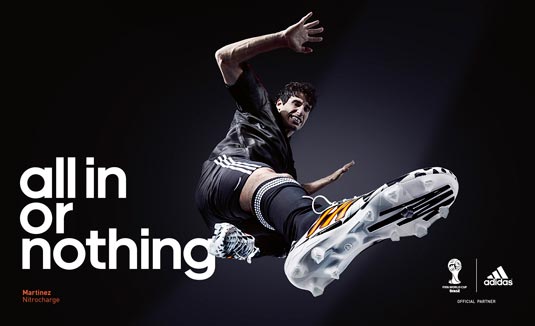
If Nike is the default, Adidas is the brand most likely to actually change someone’s mind. Adidas has invested heavily in fabric technology suited to hot, humid environments, and its AEROREADY line in particular has become a favourite among Singapore’s gym-goers and runners precisely because it manages sweat and heat so effectively. The brand’s Ultraboost and Adizero running shoe families continue to be popular with both casual joggers doing loops of MacRitchie Reservoir and competitive runners chasing personal bests at local races, offering a genuinely different ride feel from Nike’s shoes thanks to Adidas’s Boost and Lightstrike cushioning technologies.
Adidas has also become a serious player in training apparel more broadly. Its Techfit compression range is a strong option for anyone doing strength training or HIIT, offering the kind of muscle support that matters during heavy lifts, while its training shorts and tanks in the AEROREADY range have become a common sight at gyms across the island, from Anytime Fitness outlets to boutique studios in Holland Village. The brand’s collaborations with Parley for the Oceans have also resonated with Singapore’s increasingly sustainability-conscious shoppers, since the recycled-ocean-plastic materials used in some running shoes offer a way to train with a slightly lighter environmental footprint without sacrificing performance.
For anyone who runs a fitness blog, a training Instagram, or a YouTube channel focused on workouts in Singapore, Adidas is also one of the more accessible brands to actually partner with commercially. The Adidas affiliate program, available through Involve Asia for Singapore-based publishers, lets approved affiliates earn a commission of up to 4.2% on qualifying sales generated through their tracking links, on a cost-per-sale model with a 30-day cookie window. That means a reader who clicks through today and comes back to buy running shoes three weeks later would still count toward a referral. It’s a straightforward way for content creators covering fitness or running gear to monetise recommendations they’d likely be making anyway, and it reflects just how seriously Adidas is investing in its Southeast Asian and Singapore market presence. Readers who want to explore Adidas’s current running and training lineup for themselves can do so directly through the brand’s Singapore online store.
ASICS: The Runner’s Choice
Among Singapore’s serious running community, ASICS occupies a special place. The Japanese brand’s GEL cushioning technology has built a reputation for comfort over long distances, and its shoes tend to run slightly wider and more accommodating than some European or American competitors, which suits a broader range of foot shapes. The GT-2000 and Kayano lines are particularly popular among Singapore’s marathon training groups, many of whom log serious weekly mileage along the Park Connector Network in preparation for races both locally and regionally.
ASICS has also built a strong apparel line in recent years, with lightweight, breathable training shirts and shorts that hold up well to Singapore’s humidity, though the brand’s core strength remains footwear rather than full training kits.
Under Armour and lululemon: Training and Studio Specialists
Under Armour has positioned itself as a serious contender in the strength and conditioning space, with compression gear and moisture-wicking training tops that have found a strong following among Singapore’s growing CrossFit and functional fitness community. Its HeatGear line, in particular, is designed with exactly Singapore’s climate in mind, even though the brand developed it with a broader global market.
lululemon, meanwhile, has become something close to a uniform for Singapore’s booming boutique fitness scene, from Pilates reformer studios to indoor cycling classes. Its leggings and sports bras are prized for fit and comfort rather than pure athletic performance, and while the price point is high, the brand has built genuine loyalty among a demographic that trains as much for wellbeing and community as for competitive performance.
Regional and Local Players Worth Watching
It would be a mistake to overlook the smaller, Southeast Asia-focused brands making inroads in 2026. Homegrown Singapore labels have started producing technical apparel specifically engineered for tropical training conditions, often at a lower price point than the global giants, and several have found footholds through partnerships with local gyms and run clubs rather than mass retail. These brands rarely match the marketing budgets of Nike or Adidas, but for shoppers prioritising climate-specific design and value, they’re increasingly worth a look.
Several of these smaller labels have built their entire product philosophy around the exact problem this article opened with: most global sportswear was never designed with Singapore’s climate as the primary use case. A t-shirt engineered from the outset for 90 percent humidity and constant 30-degree heat can, in some cases, outperform a much more expensive piece from a brand that treats hot-weather performance as a secondary feature. Local labels also tend to be quicker to respond to feedback from the specific communities they sell to, since they’re often selling directly through their own websites or through pop-ups at races and community fitness events rather than through large retail chains. The trade-off is usually a smaller range of sizes, colours, and styles compared to a global brand, along with a less established resale or warranty support network. For shoppers happy to trade some of that breadth for a closer fit to local conditions and a lower price tag, these brands are worth keeping an eye on through 2026 and beyond.
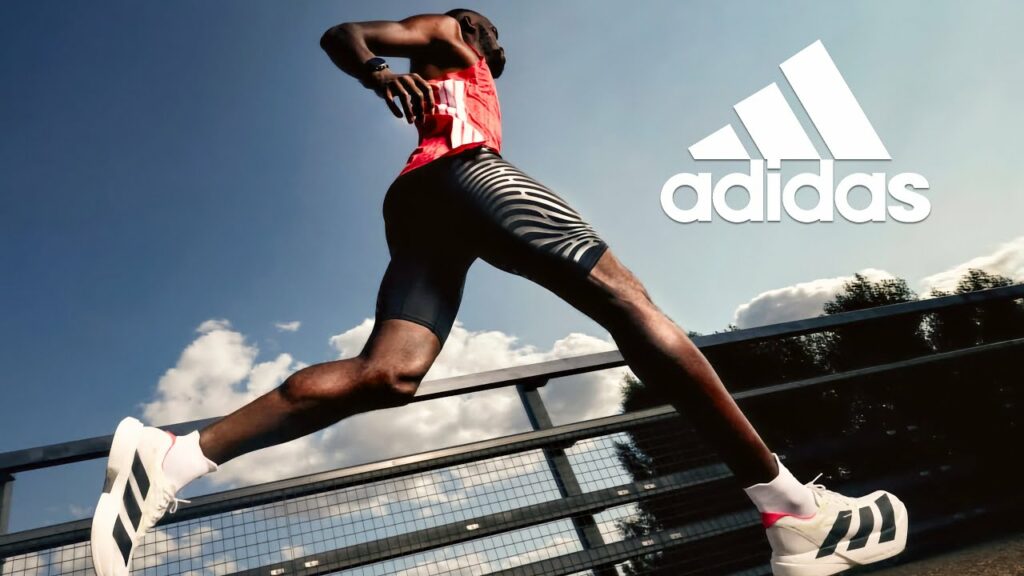
Regional Southeast Asian brands from Thailand, Indonesia, and the Philippines have also started distributing more actively into Singapore, often through e-commerce marketplaces like Shopee and Lazada rather than physical stores. Quality varies considerably across this segment, so it’s worth reading recent, Singapore-specific reviews before committing to a purchase from a brand without an established local track record.
Comparing the Top Brands at a Glance
The table below summarises how the main brands stack up across the categories that matter most to Singapore-based athletes: heat and humidity performance, price positioning, and the training style each brand suits best.
| Brand | Best For | Humidity Performance | Price Range (SGD) | Standout Product Line |
| Nike | All-round running and training | Very Good | $$$ | Pegasus, Dri-FIT |
| Adidas | Running, strength training, sustainability-conscious buyers | Excellent | $$–$$$ | Ultraboost, AEROREADY, Techfit |
| ASICS | Long-distance and marathon running | Very Good | $$–$$$ | GEL-Kayano, GT-2000 |
| Under Armour | CrossFit and functional strength training | Good | $$ | HeatGear |
| lululemon | Studio classes, yoga, Pilates | Good | $$$$ | Align, Wunder Train |
| Local/regional brands | Budget-conscious, climate-specific training wear | Very Good | $ | Varies by brand |
As the table shows, no single brand dominates every category, which is exactly why most serious Singapore athletes end up with a mixed wardrobe: perhaps Adidas running shoes for race day, an Under Armour compression top for strength sessions, and a pair of lululemon leggings for the occasional reformer Pilates class.
How to Choose the Right Brand for Your Own Training
Rather than chasing whichever brand is trending, it’s worth thinking through your own training pattern first. Someone training primarily outdoors, whether running along the Southern Ridges or cycling around Pulau Ubin, should prioritise brands with proven heat and humidity management, since indoor-oriented fabric technology can feel noticeably worse once actual tropical sun and humidity are involved. Someone spending most of their time in air-conditioned gyms or studios has a bit more flexibility, since the demands on the fabric are less extreme, and can lean more toward fit, style, and comfort preferences.
Budget matters too, and it’s worth remembering that the most expensive option isn’t automatically the best-performing one for Singapore’s specific climate. A well-designed AEROREADY t-shirt from Adidas, for instance, can outperform a pricier but less climate-optimised piece from a brand that built its reputation in a cooler market. Reading reviews from other Singapore-based buyers, rather than relying purely on marketing copy written for a global audience, tends to be one of the more reliable ways to judge how a product will actually perform here.
Foot type and running style also deserve real attention, particularly for anyone investing in a running shoe rather than just a t-shirt or pair of shorts. Overpronators, neutral runners, and those with higher arches often respond very differently to the same shoe, which is why a model beloved by one runner’s Telegram group can feel completely wrong for someone else with a different gait. Where possible, visiting a specialist running store for a gait assessment, several of which now operate in Singapore alongside the larger flagship stores, is worth the extra time before committing to a shoe that will be logging serious kilometres.
It’s also worth thinking about how a piece of sportswear will actually be used across a full day rather than just during the workout itself. Many people in Singapore train early in the morning or during a lunch break and then head straight into an office, a client meeting, or a commute on the MRT without time to shower and change into fresh clothes. In that context, quick-dry performance and odour resistance matter just as much as how a garment feels mid-workout, and it’s one more reason fabric technology, rather than logo alone, should guide the decision.
Sustainability Is Becoming Part of the Decision
Singapore’s shoppers are increasingly factoring sustainability into their sportswear choices, and brands have responded accordingly. Recycled polyester, ocean-plastic blends, and take-back or recycling schemes for old shoes and apparel are now common talking points in marketing material from most of the major players discussed above. It’s worth treating some of these claims with a healthy dose of scepticism, since “sustainable” branding can sometimes outpace the actual environmental impact of a product, but brands that publish clear, verifiable sourcing information, rather than vague sustainability slogans, tend to be the more trustworthy ones to support with a purchase.

Where to Buy in Singapore
Singapore’s shoppers have no shortage of options when it comes to purchasing sportswear. Flagship stores along Orchard Road, including outlets at ION Orchard and Wisma Atria, offer the chance to try on gear in person, which matters especially for running shoes where fit can vary noticeably between brands and even between models from the same brand. Decathlon’s large-format stores, particularly the one at Kallang, offer a wide range of budget-friendly options alongside more premium brands under one roof. For online shopping, most major brands including Adidas maintain dedicated Singapore storefronts with local pricing, faster shipping, and region-specific promotions that aren’t always available through international sites.
Final Thoughts
The best sportswear brand for you in 2026 depends far more on your specific training habits than on which label has the loudest marketing campaign this year. Nike remains the safe, broadly excellent choice for most people. ASICS continues to earn its reputation among Singapore’s dedicated runners. Under Armour and lululemon have each built strong niches in strength training and studio fitness respectively. But for shoppers who want a brand that has genuinely engineered its products around heat and humidity, backs that up with a broad range spanning running, strength training, and lifestyle wear, and continues to push forward with sustainability initiatives that resonate with Singapore’s increasingly conscious consumer base, Adidas stands out as one of the strongest all-round choices on the market today. Whether you’re chasing a personal best at the Singapore Marathon or simply trying to make it through a 6am HIIT class before work, there’s a strong case for making Adidas a core part of your training wardrobe in 2026.