
Ulefone vs Blackview: Rugged Tech Showdown
Disclosure: this page contains affiliate links. We may earn a commission if you buy through them, at no extra cost to you.
Introduction
This post pits two heavyweight manufacturers of rugged technology against each other: Ulefone and Blackview. If you work on construction sites, need a reliable device for field research, or simply refuse to let a splash ruin your phone, you’ll find the detailed analysis useful. We walk through each brand’s portfolio, compare core specs, and give you a buying checklist so you can decide which ecosystem fits your workflow.
Rugged devices are no longer a niche afterthought; they have become essential tools for professionals who cannot afford downtime caused by a cracked screen or a dead battery. Both companies claim to meet military‑grade durability standards, to provide high‑capacity power solutions, and to incorporate advanced connectivity such as 5G or satellite links. Yet the way they package these capabilities differs, and the supporting accessories they offer can tip the balance depending on your specific use case.
In the sections that follow, we will break down the product families, highlight the unique features each brand pushes, and explain how those features translate into real‑world benefits. Whether you are a site manager selecting a phone for a crew, a wildlife researcher needing night‑vision imaging, or an IT administrator planning a fleet rollout, this guide aims to give you enough context to make an informed decision.
Beyond the headline specifications, we also explore practical considerations such as device manageability, accessory ecosystems, and after‑sales support. For example, a field team that already uses Ulefone’s RFID kits may find a smoother integration path staying within the same brand, while a group that values satellite voice messaging will likely lean toward Blackview’s XPLORE 2 Satellite model. Understanding these nuances helps you avoid costly mismatches and ensures that the rugged solution you choose truly supports your daily operations.
Comparison Table
| Feature | Ulefone | Blackview |
|---|---|---|
| Rugged Phone Series | Armor, RugKing | XPLORE, FORT, ROCK |
| Satellite Capability | Varies – check official site | XPLORE 2 Satellite (voice messaging) |
| 5G Support | Yes, on many models | Yes, on XPLORE 2 Projector |
| IP Rating | IP68 (varies by model) | IP68 – dust tight, 1.5 m water for 30 min |
| MIL‑SPEC Rating | Varies – often MIL‑SPEC 810G | MIL‑SPEC 810G (Category 4) |
| Battery Capacity | Massive – up to 13,000 mAh on select Armor phones | Varies – typical 5,000‑7,500 mAh |
| Thermal Imaging / Night Vision | Supported on several Armor models | Varies – not a standard claim |
| Built‑in Projector | Yes – on some Armor phones | XPLORE 2 Projector model |
| Wearables | Armor Watch Ultra, Armor Watch Pro | W series smartwatches, AirBuds, FitBuds |
| Mini PCs / Tablets | uSmart mini PCs, Armor Pad & RugKing Pad tablets | AceBook & GamiBook laptops, MEGA/ZENO/LINK/Tab tablets |
| Accessories | Mounts, cases, 50W wireless charging stands | TERRA & Energy power accessories, portable displays (SCM, DCM) |
| Industry Solutions | POC, RFID, MDM platforms | Smart Help Center, warranty services |
| Return Policy | 30‑day return | Standard return policy – details vary |
| Global Reach | Sold in 100+ countries, free EU shipping | International sales – details vary |
Ulefone Overview
Product Portfolio
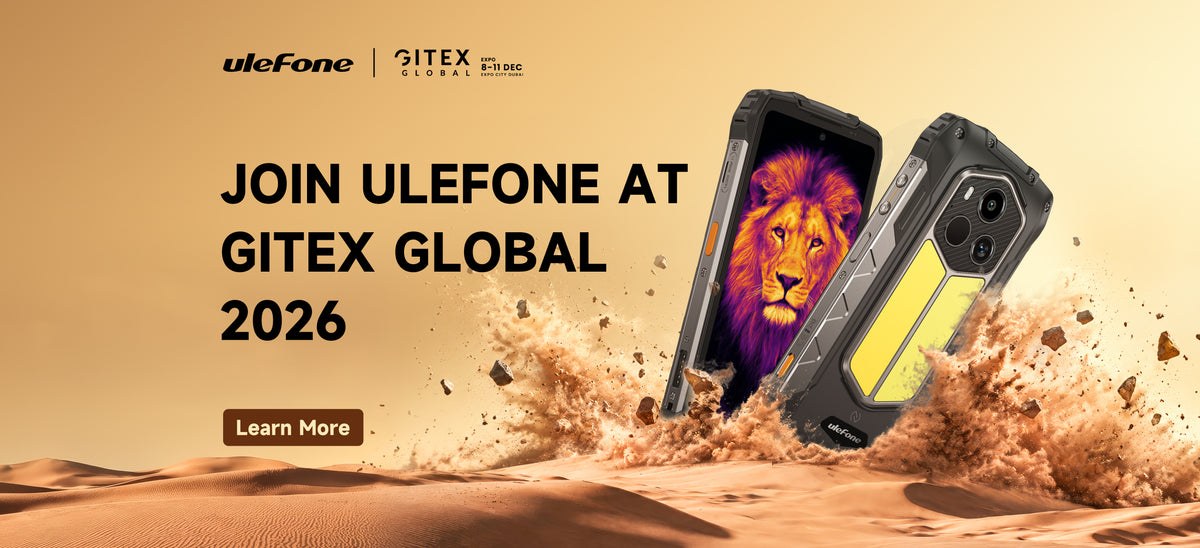
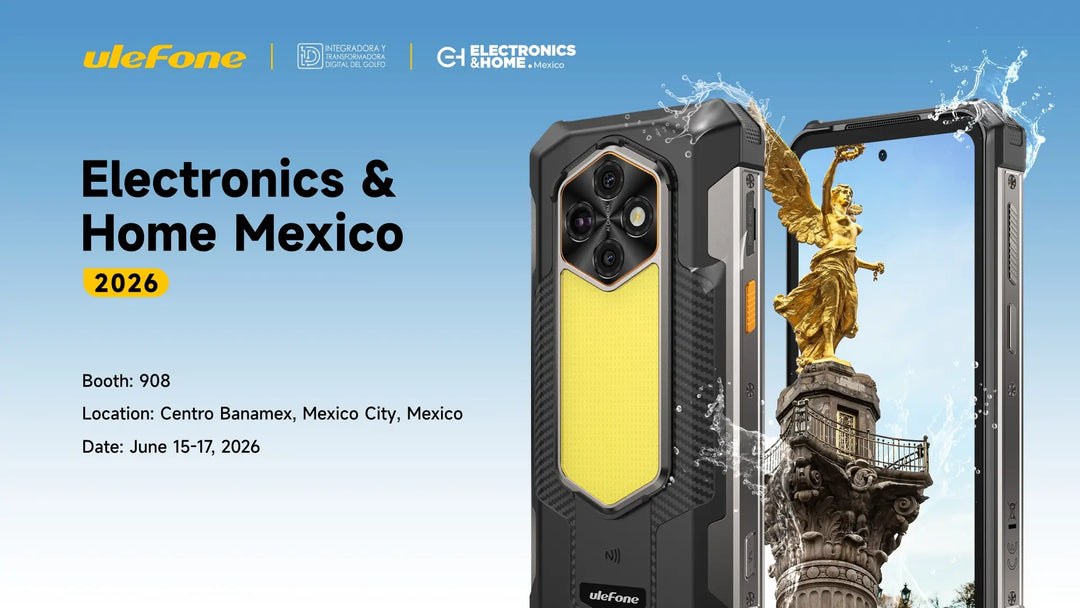
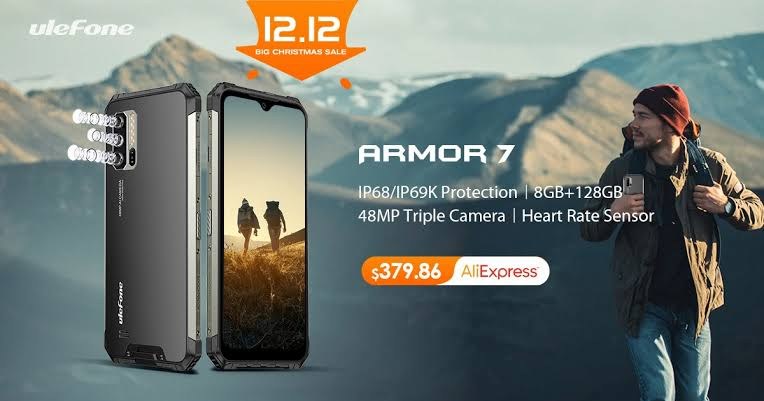
Ulefone’s rugged line is anchored by the Armor and RugKing series, which include smartphones, tablets, and accessories built for harsh environments. The brand also pushes into niche markets with uSmart mini PCs and a full suite of RFID kits (UHF reader/writer). Wearables such as the Armor Watch Ultra and Armor Watch Pro extend the ecosystem into health and safety monitoring.
Beyond consumer devices, Ulefone advertises industry solutions for point‑of‑care (POC), RFID integration, and mobile device management (MDM), positioning itself as a partner for enterprise deployments. For example, a logistics firm could equip its drivers with Armor smartphones that run a custom MDM profile, while the same fleet could use Ulefone’s RFID readers to scan pallets in real time, feeding data directly into a central warehouse management system.
Ulefone also supplies rugged tablets under the Armor Pad and RugKing Pad names. These larger‑screen devices are useful when you need to view schematics, GIS maps, or detailed inspection reports on site. The tablets inherit the same IP68 sealing and MIL‑SPEC drop protection as the phones, meaning a single spill or drop does not force you to retreat to a shelter to replace equipment.
Key Claims
- 5G connectivity across flagship models.
- Thermal imaging and night vision on select phones.
- Built‑in projector on some Armor phones.
- Massive battery capacities for all‑day operation.
- Free shipping to the EU and a 30‑day return window.
These claims translate into practical advantages. 5G enables faster data upload when you are transmitting high‑resolution photos or video from a construction site, while the thermal imaging sensors allow electricians to locate hot spots without removing panels. The built‑in projector turns a phone into an on‑the‑go presentation tool—ideal for field supervisors who need to share plans with a crew without carrying a separate projector.
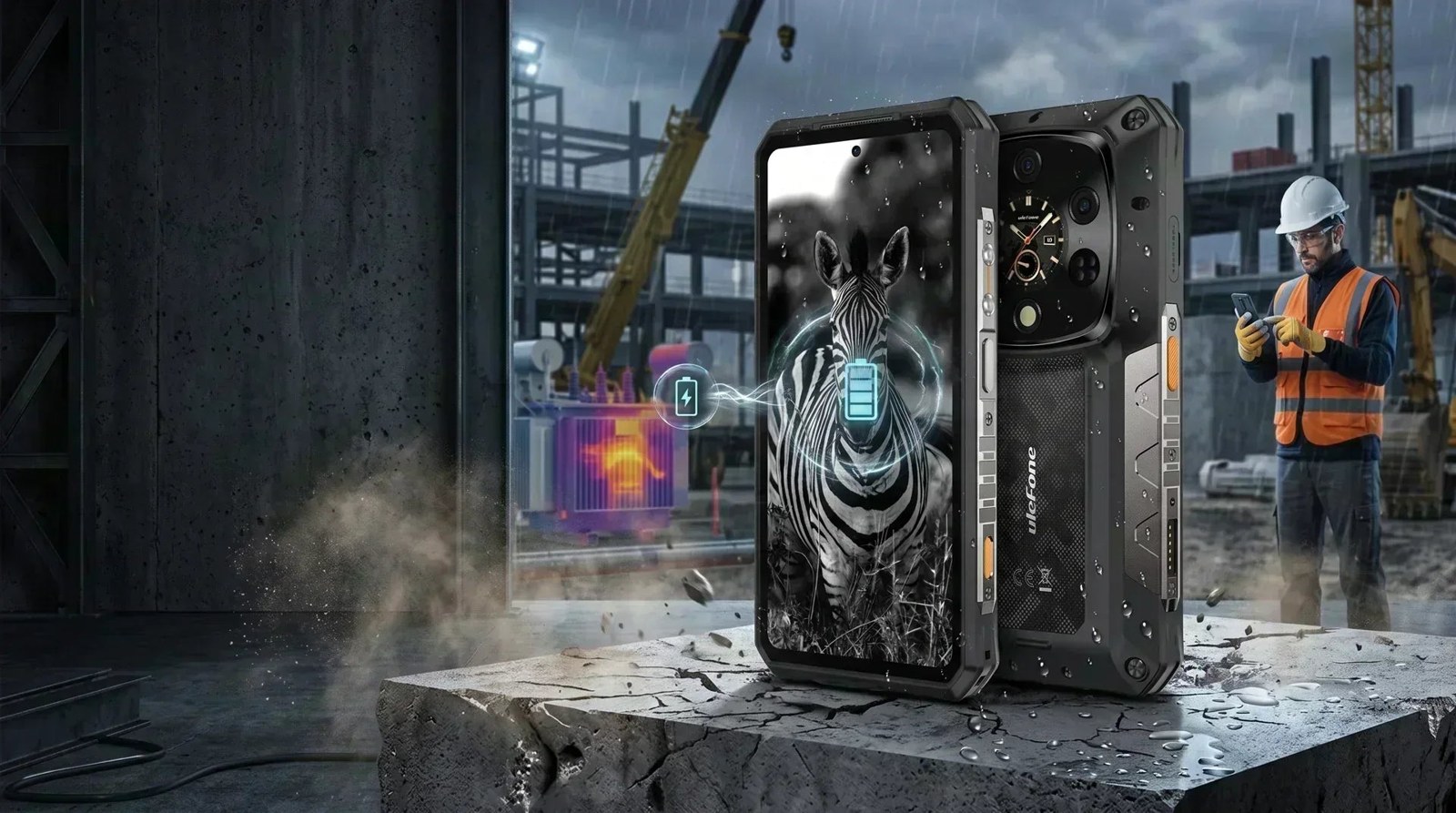
The “massive battery” promise is not just a headline; models that list up to 13,000 mAh can theoretically run for two full workdays on a single charge, assuming moderate usage. This reduces the need for spare power banks and minimizes downtime in remote locations where power outlets are scarce.
Finally, the accessory ecosystem—mounts for vehicle dashboards, rugged cases, and 50W wireless charging stands—helps you build a complete solution that stays functional in dust, rain, or extreme temperatures. When you pair a RugKing smartphone with a compatible mount and a high‑output wireless charger, you end up with a hands‑free, always‑on device that can survive a day’s worth of heavy use without a single cable.
Blackview Overview
Product Portfolio
When you step into the rugged‑tech arena, Blackview organizes its offerings around three core smartphone families: the XPLORE, FORT and ROCK series. Each family is engineered to survive the extremes of construction sites, outdoor adventures, and field research, but they differentiate themselves through design emphasis and feature sets. The flagship XPLORE 2 Satellite is marketed as the world’s first rugged phone that can send voice messages via satellite, a capability that can be a lifeline when cellular networks disappear. In practice, a field technician working on a remote pipeline can push the “send voice” button and reach a dispatch centre even if the nearest tower is out of range, ensuring safety and continuity of work. Meanwhile, the XPLORE 2 Projector pushes the envelope further by pairing a 3.2K resolution display, 5G connectivity, and an integrated projector into a single armor‑clad device. This combination turns the phone into a portable presentation tool for on‑site briefings: a surveyor can project site maps onto a tent wall for a quick team review without hauling a separate projector.
Beyond smartphones, the brand’s product ecosystem expands into several complementary categories that let users build a fully rugged workflow. Tablet enthusiasts can choose from the MEGA, ZENO, LINK and generic Tab series. All of these tablets inherit the same drop‑proof resilience as Blackview phones, but their larger screens make them ideal for data entry, GIS mapping, or media consumption in the field. For example, a wildlife researcher might use a ZENO tablet to annotate GPS‑tagged photos while the device endures a tumble from a tree branch.
For users who need full‑blown computing power in a rugged shell, Blackview supplies laptops and mini PCs under the AceBook and GamiBook labels. These devices combine traditional desktop performance with the protective standards of the brand’s mobile line, allowing a construction manager to run project‑management software on a laptop that can survive being dropped from a workbench. The company also addresses the growing demand for portable visual output with its SCM and DCM series portable displays. Paired with any rugged device, these screens provide extended real‑estate for tasks such as reviewing blueprints or monitoring sensor dashboards, all without sacrificing durability.
In the smart‑home and wearable space, Blackview offers the W series smartwatches, AirBuds and FitBuds audio accessories, and a niche line of AI‑enabled glasses and cycling eyewear. The wearables are designed to integrate seamlessly with the rugged ecosystem, delivering notifications, health metrics, or hands‑free voice commands while standing up to dust and impacts. Finally, power management is covered by the TERRA and Energy series, a family of high‑capacity battery packs and charging solutions. These accessories are built to keep the entire Blackview ecosystem alive during multi‑day deployments, with fast‑charge capabilities that reduce downtime on remote jobsites.
Key Claims
- IP68 rating – Blackview states that its rugged phones are dust‑tight and can withstand immersion in up to 1.5 m of water for 30 minutes, a benchmark that protects against rain, splashes, and accidental submersion.
- MIL‑SPEC 810G Category 4 – The devices are claimed to meet military‑grade standards for drop, dust, and vibration resistance, meaning they can survive drops from typical working heights and continuous vibration on heavy machinery.
- Non‑incendive Class 1 Division 2 rating – According to the brand, this rating ensures the phones are safe to use in potentially explosive atmospheres, such as oil rigs or chemical plants, where static discharge must be minimized.
- Operating temperature range – Blackview advertises a functional envelope from –10 °C to +55 °C, covering most outdoor climates from cold winter sites to hot desert environments.
- Satellite voice messaging – The XPLORE 2 Satellite model uniquely offers voice communication via satellite networks, providing a fallback when traditional cellular service is unavailable.
Pros and Cons
Ulefone
- Pros:
- Very large battery options for extended field use, allowing multi‑day operation without recharging. In practice this means a technician can leave a remote site overnight, run diagnostic apps, capture photos, and still have enough charge for a full day of follow‑up work, eliminating the need to carry spare power banks.
- Integrated projector and thermal imaging on select models, turning a phone into a presentation device and a night‑vision tool in a single unit. For example, a construction supervisor can project blue‑prints directly onto a concrete wall during a site meeting, while a wildlife researcher can switch to thermal mode after dark to locate animals without additional equipment.
- Broad accessory ecosystem, including 50W wireless charging stands, rugged mounts, and specialized cases that enhance usability in harsh environments. The 50W stand shortens charging cycles dramatically, which is critical when a fleet of devices must be turned over quickly at the start of each shift. Mounts and cases are engineered to grip metal poles, vehicle dashboards, or helmets, keeping the handset stable while workers move.
- Industry‑focused solutions such as RFID kits, proof‑of‑concept (POC) platforms, and mobile‑device‑management (MDM) tools that help enterprises deploy and manage fleets of devices. A logistics firm, for instance, can attach Ulefone’s UHF RFID reader to a phone, scan pallets in a warehouse, and feed the data directly into its asset‑tracking system, all while using the MDM console to push software updates across dozens of units.
- Cons:
- Specific protection ratings (e.g., exact IP level for each model) are not uniformly listed, so users must verify the details on the official site. This can add an extra step for procurement teams that need documented compliance for safety audits.
- Public information on satellite communication capabilities is limited, making it unclear whether any Ulefone device supports that function. Organizations that rely on satellite links for remote operations should therefore confirm availability directly with the manufacturer before committing to a purchase.
Blackview
- Pros:
- Clear, documented IP68 and MIL‑SPEC certifications give confidence for compliance‑heavy industries. The IP68 rating guarantees dust‑tight sealing and water resistance up to 1.5 m for 30 minutes, while MIL‑SPEC 810G Category 4 ensures the device survives drops, vibration, and extreme temperature swings—details that can be referenced in safety manuals and regulatory filings.
- First‑to‑market satellite voice messaging provides a unique safety net for remote field teams. In a disaster‑response scenario where cellular towers are down, a responder can still send short voice alerts to a command center, ensuring that critical information reaches decision‑makers even in the most isolated locations.
- Wide range of ancillary products—including laptops, portable displays, smart home gear, and power accessories—creates a unified ecosystem for rugged workflows. A field engineer can pair a Blackview laptop with a portable display for on‑site data analysis, then switch to a Blackview smartwatch to receive real‑time alerts, all while using the same brand’s power bank to keep everything running.
- Cons:
- Battery capacities are generally smaller than those found in Ulefone’s flagship models, which may require more frequent charging on long missions. Users may need to plan for additional charging stops or carry extra power packs to maintain continuous operation during multi‑day deployments.
- Thermal imaging and built‑in projection are not standard features, limiting the device’s utility for night‑vision or on‑the‑spot presentations. Teams that rely on those capabilities will have to supplement Blackview phones with separate thermal cameras or portable projectors, adding to overall equipment weight and cost.
Key Differences
Both brands excel at delivering devices that survive the physical rigors of demanding work environments, yet their strategic priorities diverge in ways that matter to distinct user groups. Ulefone places a heavy emphasis on power density and multifunctionality. Its flagship Armor series can carry batteries measured in thousands of milliamp‑hours, integrate a pocket‑size projector, and add thermal imaging sensors—all features that turn a rugged phone into a portable command center. In parallel, Ulefone’s enterprise‑oriented accessories such as RFID kits and MDM platforms demonstrate a clear intent to serve businesses that need to track assets, manage large device fleets, and integrate IoT workflows directly into the handset. For a utility company rolling out a new smart‑grid sensor network, the ability to scan RFID tags on transformers and instantly update a central dashboard from the same handset can streamline field validation and reduce paperwork.
Conversely, Blackview builds its reputation on transparent, verifiable durability standards. Every phone in the XPLORE, FORT and ROCK line is explicitly marketed with IP68 and MIL‑SPEC 810G Category 4 certifications, and the company supplies the exact temperature operating window for each model (–10 °C to +55 °C). This level of detail is crucial for sectors such as construction, oil & gas, and public safety, where compliance documentation is a legal requirement and failure to meet a standard can halt a project. Blackview’s standout feature is satellite voice messaging, a capability that can be the difference between safety and risk in locations lacking cellular coverage. A rescue crew operating in a mountainous region can send a brief voice check‑in to headquarters, confirming team status even when the nearest cell tower is out of range.
In practical terms, a field engineer who must present schematics to a remote crew, capture thermal data on a night‑time inspection, and stay powered for an entire weekend will likely find Ulefone’s integrated projector and large‑capacity batteries more aligned with the job. The same engineer could use the built‑in projector to display wiring diagrams on a portable screen, switch to thermal mode to locate heat leaks in an insulated wall, and rely on a 10,000 mAh‑class battery to keep the device alive through a 48‑hour power outage. On the other hand, a disaster‑response coordinator who must document conditions in a region without cellular service, submit reports that meet strict safety certifications, and rely on a proven, documented durability rating will gravitate toward Blackview’s XPLORE line. The coordinator can record video, annotate it with timestamps, and transmit voice messages via satellite, all while citing the device’s IP68 and MIL‑SPEC certifications in after‑action reports.
Who Should Choose Which Brand
Choose Ulefone if you
- Require ultra‑long battery life for multi‑day missions where charging infrastructure is sparse.
- Need a built‑in projector to deliver on‑site presentations, training videos, or real‑time map overlays without carrying extra equipment.
- Work in industries that rely on RFID tagging, proof‑of‑concept deployments, or centralized mobile‑device‑management solutions.
- Prefer consolidating phones, rugged tablets, mini PCs, and accessories under a single vendor to simplify procurement and support.
Choose Blackview if you
- Demand documented IP68 and MIL‑SPEC ratings for regulatory compliance or audit trails.
- Operate in areas with no cellular coverage and need satellite voice messaging as a reliable fallback communication channel.
- Want a broader ecosystem that includes laptops, portable displays, smart home devices, and wearables—all built to the same durability standards.
- Value clear, published temperature tolerance specifications that help plan deployments in extreme climates.
Buying Checklist
- Durability requirements: Verify IP rating, MIL‑SPEC level, and temperature range.
- Battery endurance: Compare capacity (mAh) and charging options (wired vs. 50W wireless).
- Connectivity: 5G, satellite, RFID, NFC – match to your workflow.
- Special features: Projector, thermal imaging, night vision, built‑in GPS.
- Accessory ecosystem: Cases, mounts, power banks, wearable integration.
- Support & returns: Check return policy length and regional warranty coverage.
How‑to Get the Most Out of Your Rugged Device
Setup Tips
1. **Apply protective film** on the screen before first use – even IP‑rated devices benefit from scratch protection.
2. **Configure MDM** (if using Ulefone) early to enforce security policies across the fleet.
3. **Register for satellite service** (Blackview XPLORE 2) ahead of deployment to avoid activation delays.
Maintenance Best Practices
• Rinse the device with fresh water after exposure to saltwater or dust.
• Use the provided wireless charging stand to preserve the USB‑C port.
• Store the phone in a breathable case when not in use to avoid moisture buildup.
FAQ
- Do both brands offer 5G? Yes. Ulefone states 5G on many Armor models, and Blackview includes 5G on the XPLORE 2 Projector.
- Which brand has a longer battery? Ulefone advertises massive batteries (up to 13,000 mAh) on select models, while Blackview’s typical capacities are lower.
- Is satellite communication available on both? Only Blackview explicitly markets satellite voice messaging on the XPLORE 2 Satellite.
- Can I use both phones for thermal imaging? Ulefone includes thermal imaging on several Armor phones; Blackview does not list this feature.
- Are the devices waterproof? Both meet IP68, meaning dust‑tight and water‑resistant to 1.5 m for 30 minutes.
- What warranty does each brand provide? Ulefone offers a 30‑day return policy; Blackview provides a standard warranty – check the official site for regional details.
- Do they sell accessories like cases and chargers? Yes. Ulefone sells mounts, cases, and 50W wireless charging stands. Blackview offers TERRA/Energy power accessories and portable displays.
- Are the phones suitable for extreme temperatures? Blackview guarantees operation from –10 °C to +55 °C. Ulefone’s temperature range is not specified; verify per model.
Conclusion
Both Ulefone and Blackview deliver rugged devices that survive the harshest conditions, but they cater to slightly different priorities. Ulefone shines where power, projection, and enterprise integration matter, while Blackview excels in certified durability, satellite backup, and a diversified product ecosystem. Evaluate the checklist above, match the features to your real‑world use case, and you’ll be equipped to choose the brand that keeps you productive when the environment gets tough. For the latest specs and to place an order, visit the official sites.